

Natural Gas Patio Heater
A natural gas patio heater is a great option for keeping outdoor spaces warm. Its primary benefit is that it can be connected to existing natural gas (NG) lines, which means you don't have to worry about filling propane tanks.
There are a few aspects to take into account before selecting one. This article will discuss the various options available including heat output, safety and installation.
Cost
You can relax in your outdoor space well into the evening with an outdoor heater that is natural gas. These units can be wall-mounted, freestanding or mounted with a post to the ground and come in several sizes to heat larger spaces. The right model should also contain features that make patio use safer and more convenient. There are models that have an anti-slant feature that will turn off the burner when it is tilted over 47 degrees. Certain models are constructed of robust materials like stainless steel and aluminium for strength and corrosion-resistance.
They can be powered by propane, electricity or natural gas, and produce up to 46,000 British Thermal Units (BTUs). Electric models plug directly into standard 120-volt outlets. They are the simplest and most convenient to use however they do not heat as well as propane or natural gas models.
Propane patio heaters are tall and umbrella-like, and typically have a an open base that houses tanks of 20 pounds of propane, similar to the type you'd use to fuel a gas grill. The tanks are cheaper than the fuel for an indoor space heater, but you have to refill them often and they aren't able to be moved as easily. You can also find smaller propane heaters for tables that are designed to sit on tables and hold propane tanks that are camp-style.
The price of a natural gas patio heater is based on its size and the features it has like an automatic shut-off, wheels for effortless mobility, a rapid ignition, and a remote control with different settings. You can also select from a selection of finishes, including hammered bronze, resin wicker and decorative stone faces, to match your outdoor decor.
Natural-gas-burning and hardwired electric patio heaters need professional installation and can't be moved like propane and gas versions, but they do have a more lasting appearance and function as an indoor space heater. You can even get an attractive model that is able to be plugged into gas lines with a rigid structure to add a stylish accent. The cost of a patio heater that is powered on natural gas is generally more expensive than those powered by propane or electricity.
Heat Output
When shopping for a natural gas patio heater, pay close attention to the heat output. The amount of BTUs it produces is an indication of how warm the heater will make your guests and also how many hours it will keep your porch or balcony cozy. The larger the space you can heat, the greater the BTUs.
Whether your outdoor area is covered or open, a gas patio heater can allow you to enjoy the outdoors year-round. Most models are adjustable and run on propane or natural gas. They can be free-standing or mounted on the wall or ceiling. If you are limited in floor space, think about a portable natural-gas patio heater on wheels that is powered by propane tanks. When mounting the heater on a patio consider options such as gas shut-offs to prevent leaks in the event that the flame goes out or an anti-tilt feature that shuts off the supply of fuel when the unit is tilted more than 47 degrees.
The most efficient natural gas patio heaters offer plenty of warmth without taking up too much space on the deck or in your backyard. The large free-standing models that are reminiscent of floor lamps, provide radiant warmth to a larger area and are constructed from durable metal. Tabletop models with a small footprint are great for intimate dining spaces. Models that use propane or natural gas are available in a range of appealing finishes.
There are natural gas and propane patio heaters with cast bronze resin wicker, decorative stone face for an elegant look. Other features to look out for include an ignition button that can be pushed and an auto shut-off safety valve if the unit tips over and a rotary dial control that allows you to easily alter and set the flame. Some of the best propane patio heaters are constructed from stainless steel for durability and strength while others are constructed from aluminum for a lighter weight.
Related Site are a common way to extend the time you spend in your outdoor space. Gas patio heaters come in a variety of styles, ranging from those that stand by themselves and utilize propane tanks to those that are connected to your home's gas line. The kind you pick depends on your budget and how much you want to heat your space.
Propane-powered units are usually a stand or pole with a reflector dome or shield and a base that is able to hold the 20-pound propane (LP) tank. These heaters offer a broad range of power outputs, from 41,000 BTU's to more than 100,000. They come with safety features such as an automatic shut-off valve, and an electronic lighter to make it easy to ignite. They also come with a tip-over button that automatically shuts off the flow of gas if the unit tips over.
Portable LP patio heaters are only to be used outdoors on flat, noncombustible, non-slip surfaces. They should be kept at least three feet away from all combustible objects and kept at least 12 inches away from anything that could ignite, including fences and trees. The fuel cylinder should always be stored outside and at least three feet away from any windows, stairs, buildings and doors. If you use a propane patio heater, make sure you check the hose and connection points frequently for leaks. You can test the connections with a solution of soapy water. Check for the UL or CSA mark on the propane patio heater to make sure it meets national safety standards.
A natural gas patio heater is connected to your home's gas line. It has more BTU when than propane units. It is more expensive to run, however it's safer and doesn’t require an additional propane tank. These units are ideal for patios in residential buildings restaurant, apartments and condominium buildings.
Whatever style of patio heaters you pick, make sure they're rated for indoor use or outdoor use. If natural gas or propane patio heaters are used in an enclosed space, they could release dangerous carbon monoxide. Electric patio heaters don't emit any pollutants and can be used in a sealed space.
Installation
Natural gas patio heaters are connected to your home's existing gas line, so they don't require a propane tank as other types of outdoor heaters do. This makes them more secure and a better alternative to propane heaters that are traditional. They also don't produce as much smoke as propane heaters do. However, they do require professional installation and are higher costs than propane heaters.
They are a common feature for both commercial and residential properties. They can keep your patio more comfortable even if temperatures dip below freezing. These heaters are very safe to use since they do not emit heat from the surface of the heater rather, they emit heat from the inside of the hood, which is silver-colored. They are also efficient to run because they don't require an excessive amount of electricity.
Patio heaters can be mounted on the wall or freestanding. If they are wall-mounted the heaters must be at least 8 feet above the ground to ensure that no one gets in the way of the radiant heat. Freestanding heaters require an absolute clearance of 14 feet to avoid combustible materials in the vicinity.
They come with security features that protect the user and property in the event of an issue. For instance, the majority of them include a tilt shut-off device that causes the heater to stop using power (whether it is electricity or fuel) in the event that it is accidentally tilted or falls over. They also have a flame sensor which detects the presence of flame to avoid accidental ignition.
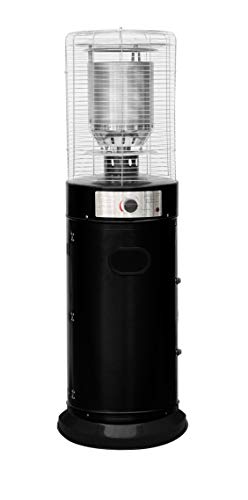
In order to ensure that the gas heaters are safe for use and safe for use, a licensed plumber must be hired to install them. They should be acquainted with state and local plumbing and heating codes to ensure that the gas lines are properly calibrated to the heaters. They should be certified to check for gas leaks in appliances.
Other costs could be incurred in addition to the materials and labor costs for the installation of a gas patio heater. These include removing or replacing any damaged structures or finishes. These expenses include framing and surfaces as well as plumbing systems. These costs could also comprise upgrading existing systems to comply with current building codes. These costs should be included in the overall estimate of the project.